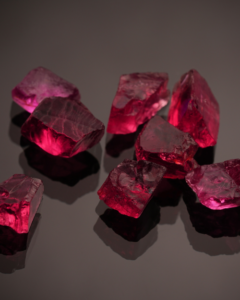
Garnet is a stone of embers rather than flame. The deeply glowing red colour speaks to a dying fire rather than the vibrant red of Ruby.
It has been worn and treasured by travellers, warriors, healers and lovers for thousands of years, prized not only for its warm glow but for the promise it carried: protection, healing and passion.
This is a gemstone with roots sunk deep into human history, threaded through myth and folklore and it’s also far more interesting than its reputation as just a red stone suggests.
But what is garnet (and why it’s not just one stone)?
Despite the singular name, garnet isn’t a single gemstone at all. It’s a family of closely related silicate minerals, all sharing the same crystal structure but differing in chemical composition.
Most garnets sit between 6.5 and 7.5 on the Mohs hardness scale, which makes them durable enough for everyday jewellery — especially rings — provided they’re well made and treated with the respect any gemstone deserves.
Always remove gemstone rings when washing up or going to the gym. Never store a garnet with other gems, as these might scratch it. If you want to clean your garnet jewellery at home, first try soaking it in hand-warm, soapy water. Then gently scrub with a soft toothbrush, rinse and pat dry. Avoid harsh abrasive chemical cleaners.
Did you know…
Garnet used to be called carbuncle until the end of the 18th century? Needless to say that something that describes an abscess quickly fell our of favour when associated with a beautiful gem!
Garnet Colours & Varieties
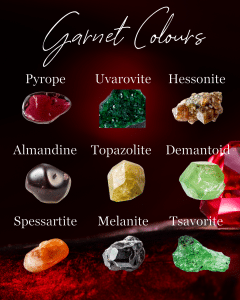
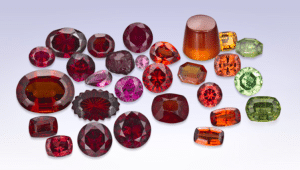
Garnet’s colour range is broad:
- Almandine — brownish red; the most familiar and historically common garnet
- Pyrope — rich crimson, often so dark it appears almost black indoors
- Uvarovite – deep green
- Hessonite – orangey brown
- Topazolite — pale green, honey-yellow, cinnamon brown
- Demantoid – bright green
- Spessartine — fiery orange, coppery amber, and burnt citrus tones
- Melanite – black
- Tsavorite – bright green
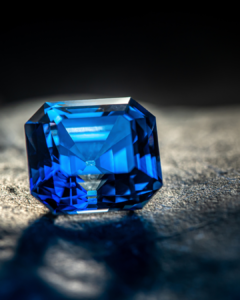
Blue garnet is technically possible but exceptionally rare — so rare most people will never encounter one.
Garnet is rarely treated or enhanced. The colours you see are usually the result of geology, pressure, chemicals and time rather than heat or coatings.
Most red and brown garnets will have come into contact with iron as they were forming, while pink and orange stones are likely to contain manganese. Green garnet is often the result of aluminium, chromium or vanadium (which is also true of why Emeralds are green!). Finally calcium is responsible for yellow Garnets.
The presence of multiple chemical elements will further modify the colour, so an red-orange Garnet will likely feature iron and manganese together.
Garnets Through History
Garnets have been used for thousands of years in decoration and jewellery. They have been found in Bronze Age burial sites, Viking hoards, Roman rings, and medieval reliquaries. The name comes from the Latin granatum, meaning pomegranate seed — a nod to both colour and shape.
In Roman times, garnets were carved into intaglio seals used to ‘sign’ documents.
The gemstone was discovered in Egyptian art and was thought to be an important symbol of good health. The stone was fashioned into beads for necklaces and used as an inlay for carvings.
Vikings buried their dead with garnets, believing the stones offered protection in the afterlife.
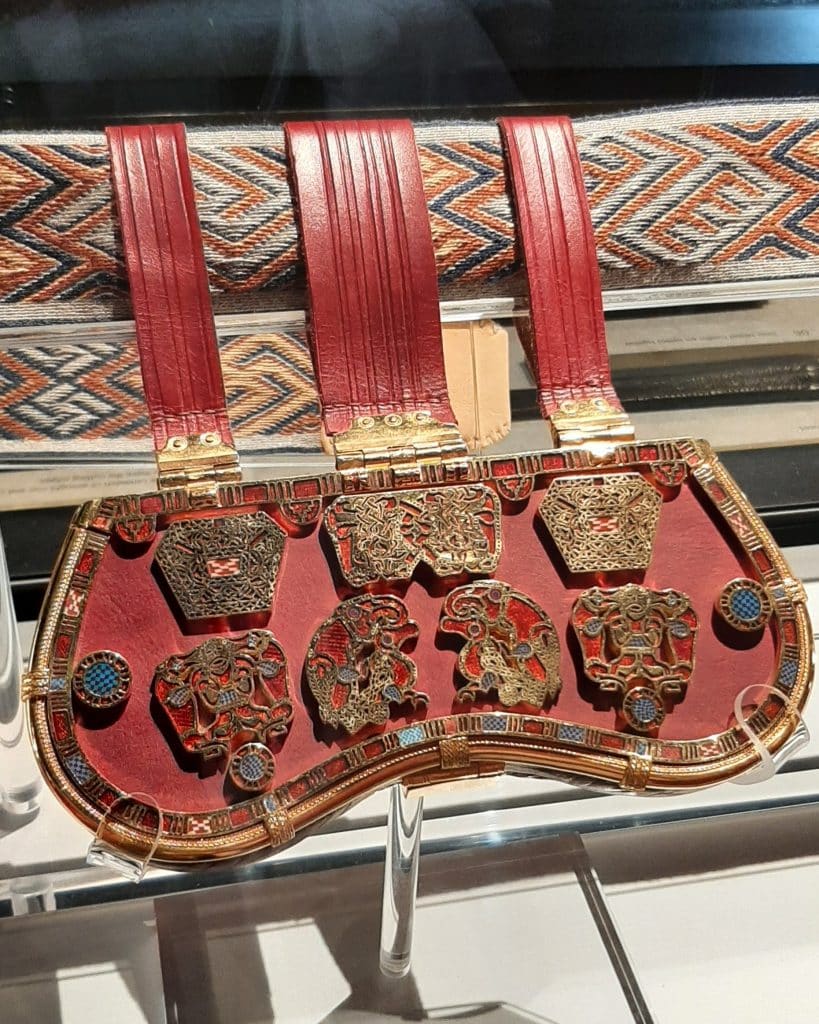
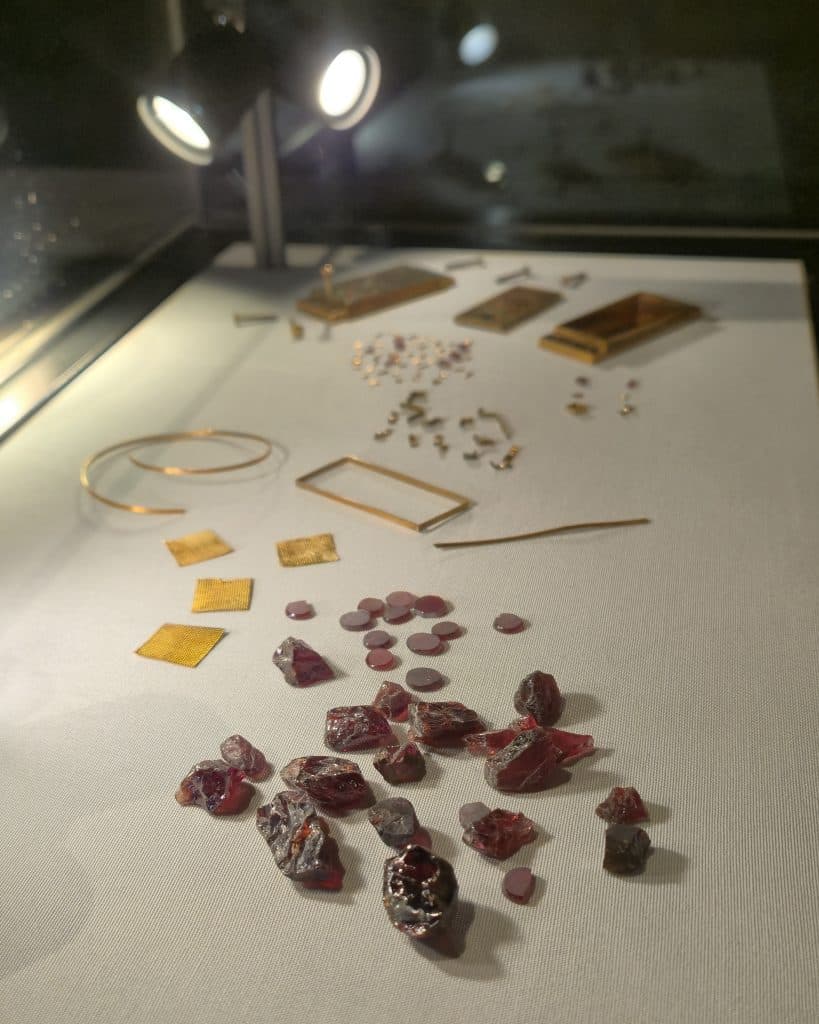
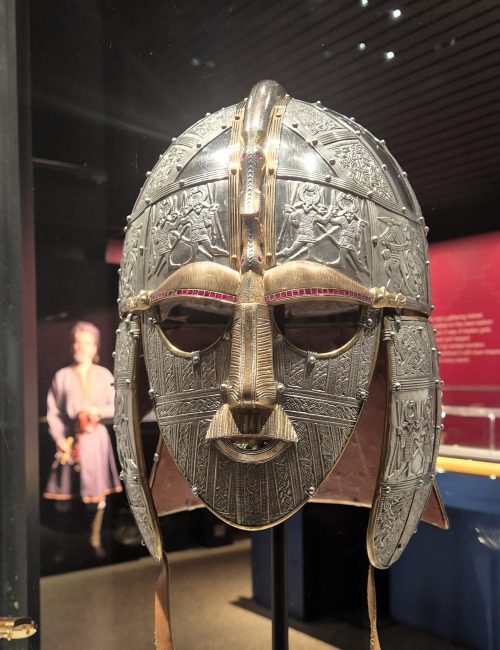
Anglo-Saxon goldsmiths used them extensively in cloisonné work, creating bold geometric patterns that still feel striking today. Best seen in Sutton Hoo’s beautiful archaeological finds.
Did you know…
Jackie Kennedy (later Onassis) was always famous for her elegant jewellery? When her estate was auctioned after her death, one of the most expensive jewellery items sold was her 19th century garnet cabochon brooch which fetched an auction sale price of over £93,000!
Folklore, Myth & Legend
Garnet has accumulated more than its fair share of stories:
- Ancient legends claimed garnet could glow in darkness, lighting the way through danger
- Crusaders wore garnets as protection against wounds and poison
- In some traditions, garnet was believed to warn its wearer of danger by dulling or darkening
- A biblical legend suggests Noah used a garnet lantern to guide the Ark through the flood
- Garnet was also thought to enhance your karma so doing good while wearing the stone would bestow more good on you
- It has been used to address health issues like inflammation, circulation, and perhaps due to the deep red colour it closely relates to blood. Healers have also used the stone for skin issues and depression.
- Used as a talisman for inducing tranquility, promoting communication, repelling negativity, strengthening emotional balance, enhancing intuition, aiding in self-discovery, and fostering a link between the mind and the divine.
- The Chinese believe that garnets was represented a tiger’s soul transformed into a precious red gem after the noble animal’s death.
Across cultures, garnet is tied to loyalty, protection, vitality, and long-lasting bonds — particularly between people separated by distance.
Did you know…
Garnet is used as an effective abrasive and has been used in sandblasting? It can even cut through metals like steel when mixed with water.
Garnet as a Birthstone
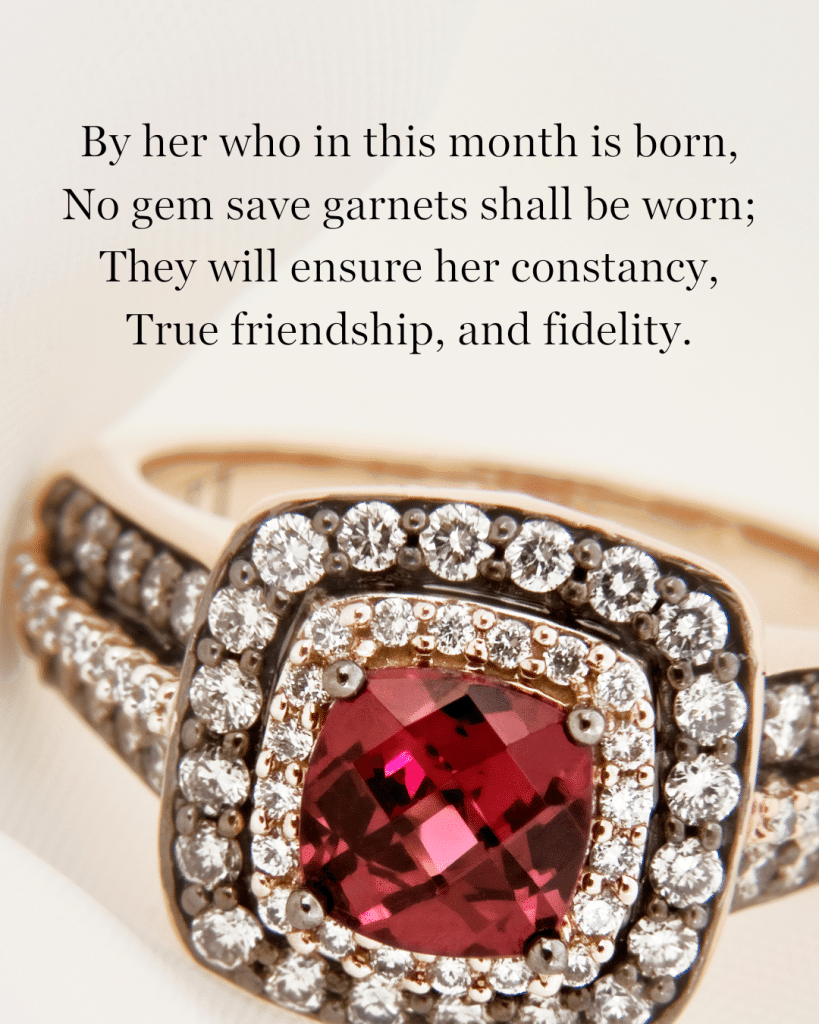
Garnet is also the suggested wedding anniversary stone for both the 2nd wedding anniversary, and is also listed as an alternate gift stone for the 15th, 19th and 25th celebrations which testifies to the stone’s popularity.
Perhaps unsurprisingly Garnet is the gemstone for the zodiac sign of Aquarius, too.
Garnet in Jewellery (Rings, Necklaces & Everyday Wear)
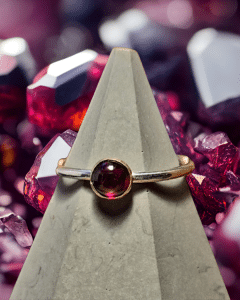
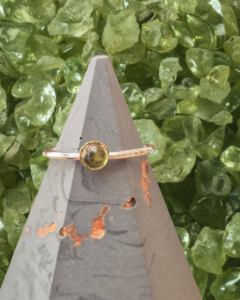
When paired with rose gold or copper, garnet’s warmth becomes even more pronounced — the red deepens, the glow softens, and the stone feels alive rather than flashy. Like my gemstone rings. This also makes garnet a natural choice for January birthstone jewellery, where symbolism matters as much as appearance.
Whether worn as a January birthstone, a protective talisman, or simply because you’re drawn to its many beautiful colours, garnet remains what it has always been – a stunning start to the new year.
If you’re drawn to garnet jewellery explore my gemstone pieces and find the one that speaks to you.
SOURCES