Unlike gemstones pulled from deep within the earth, pearls begin their story underwater, formed slowly within living creatures. Their beauty is softer than the fire of diamonds or the vivid green glow of emeralds. Pearls shimmer gently with a quiet lustre that has fascinated people for thousands of years.
For centuries they have been worn by royalty, treasured by sailors, stitched into ceremonial gowns and passed between generations as symbols of wisdom, love and elegance. Even now, pearls remain timeless though modern jewellery has given them a fresh life beyond the perfectly matched strands of the past.
Whether set into delicate silver rings, baroque statement pieces or darker handmade designs with a raw organic feel, pearls continue to captivate in a way few gemstones can.
What Are Pearls?
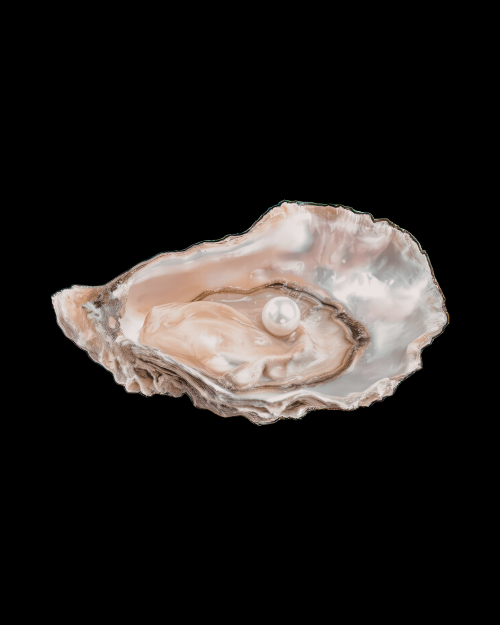
Pearls are organic gemstones created inside molluscs such as oysters and mussels. Unlike minerals that are mined from rock, pearls are formed through a natural biological process beneath the water’s surface.
Whether a natural or cultured pearl (more on that later) when a tiny irritant becomes trapped inside the mollusc, layers of nacre begin to build around it as a form of protection. Over time these nacreous layers create their soft lustre and iridescence known as orient.
Today, most pearls used in jewellery are cultured pearls. These are genuine pearls formed naturally inside molluscs but with careful human assistance to begin the process. Natural pearls formed entirely without human intervention are incredibly rare and highly valuable.
GEMMOLOGICAL PROPERTIES OF PEARLS
Colour – Traditionally white and cream, but pearls naturally occur in nearly every color of the spectrum, including black, gray, pink, yellow, blue, and green
Family – Organic Gemstone / Carbonate
Mohs Scale Hardness – 2.5-3.0
Specific Gravity – 2.60-2.85
Refractive Index – 1.52 – 1.69
Lustre – Pearly or pearlescent
Crystal System – Orthorhombic
Transparency – Opaque to translucent.
Chemical Formula – Calcium Carbonate CaCO3. They also contain a substance called conchiolin (an organic binding material) and water.
The History of Pearls
Pearls have been treasured for thousands of years and were once considered more valuable than diamonds!
Ancient Egyptians buried pearls with royalty, while the Romans viewed them as ultimate symbols of wealth and status. In Ancient Rome, pearl jewellery became so associated with luxury that laws were introduced to control who could wear them.
Across Asia and Persia, pearls were linked to wisdom, purity and protection. Chinese legends believed pearls came from dragons, while in parts of the Middle East they were thought to be formed from dew drops falling into the sea beneath moonlight.
During the Renaissance, European nobility covered garments, crowns and jewellery in pearls to display wealth and refinement. Portraits of Queen Elizabeth I famously show her draped in elaborate pearl adornments as symbols of purity and power.
For centuries, pearl diving was dangerous and unpredictable work, making pearls extraordinarily rare. That changed in the early 1900s when cultured pearls were developed commercially, making them more accessible while still preserving their natural beauty.
The Pearl King
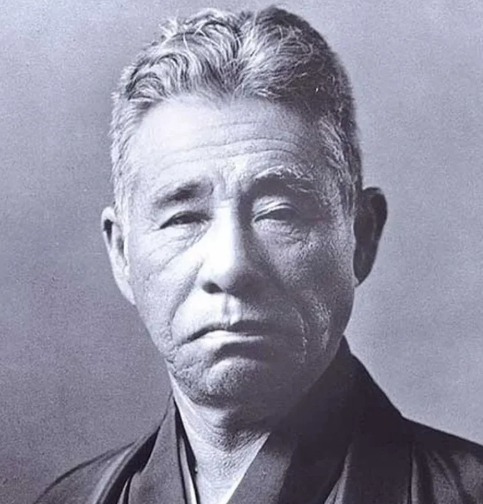
In 1893, Kokichi Mikimoto successfully created the world’s first cultured pearls. Known as the “Pearl King,” his lifelong mission was to “adorn the necks of all women around the world with pearls”.
Mikimoto, a son of a noodle shop owner, was born in 1858 in Toba, Japan. He noticed that due to over harvesting local natural pearls were becoming scarce so he sought to cultivate them himself.
After years of trial and error, he successfully produced the world’s first semi-spherical cultured pearl in July 1893 but it wasn’t until 1905 that he cultured the first perfectly spherical gem.
By 1910 he had patented his technique and they have been culturing pearls for the next 130 years.
Mikimoto met with Thomas Edison (famous for the hundreds of patents he also had) and Edison confirmed that he thought the process was ‘supposed to be impossible’.
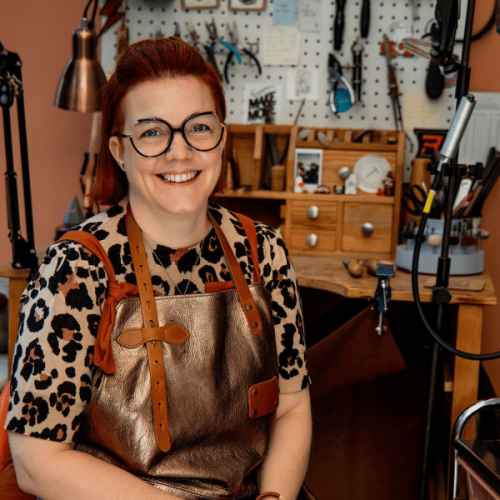
Personally I think he was just jealous he hadn’t thought of it first!
Sadly I didn’t get to see any pearl culturing areas in Japan when I visited (this time!) but I did visit the Mikimoto store in Ginza.
Pearl Folklore, Myth & Symbolism
Pearls have long been surrounded by folklore and symbolism connected to the sea, the moon and femininity.
In many cultures they represented:
Wisdom
Purity
Protection
Emotional balance
Love and loyalty
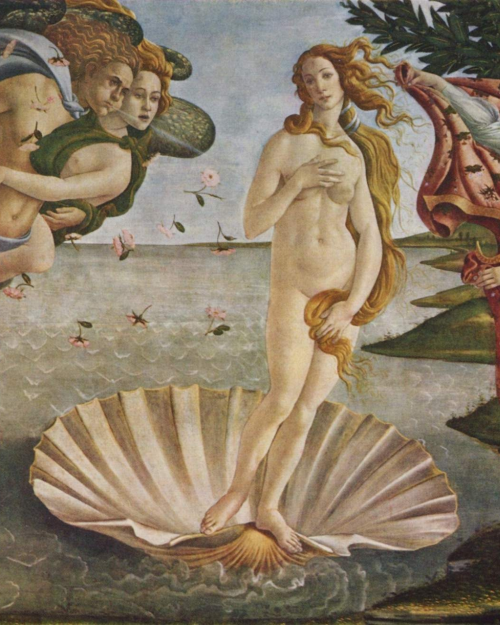
Ancient Greek mythology linked pearls to Aphrodite, goddess of love, (known as Venus in the Roman pantheon) born from sea foam. Other legends claimed pearls were tears shed by gods or fragments of moonlight fallen into the ocean.
Sailors often carried pearls as protective charms during dangerous voyages, believing they offered safety against rough seas.
Even today pearls still carry an air of quiet symbolism. Their beauty feels calm and timeless rather than dramatic, which may explain why they continue to endure through changing fashions.
Pearl Colours & Types
While you may think of pearls as perfectly round and white, they actually appear in a remarkable range of colours and shapes.
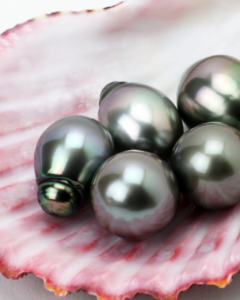
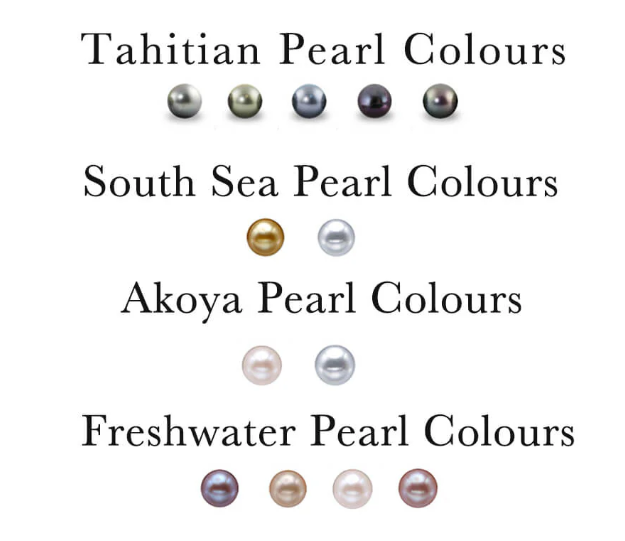
The three aspects to the colour of a pearl are body colour, overtone and orient. Body colour is the overall colour when you look at a pearl. It can be white, cream, yellow, black, blue and so on. The overtone is the translucent colour over its surface. When present, it’s usually visible over a large part of the gem body. Orient occurs when there is rainbow iridescence appearing over the pearl surface.
Tahitian pearls are famous for their darker tones, while South Sea pearls are prized for their large size and warm golden hues.
Colour is one of the seven value factors that determine how valuable a pearl is. Generally speaking, natural colours are always more valuable than artificially treated colours when other value factors are equal. Pearls with overtone and orient are usually more precious than those without.
No two pearls are truly identical, which gives them a unique charm in handmade jewellery.
Pearl as June’s Birthstone
June is unusual because it has three birthstones:
Pearl
Moonstone
Alexandrite
Of the three, pearls remain the most traditional and widely recognised.
They have long been associated with weddings, anniversaries and family heirlooms, symbolising sincerity, love and lasting connection.
While classic pearl jewellery is often associated with elegance and refinement, modern pearl designs can also feel bold, earthy or unconventional especially when paired with oxidised silver, textured metals or organic handmade settings.
Pearls are remarkably versatile, balancing softness with strength.
Pearls in Jewellery Through History
Pearls have appeared in jewellery for centuries across countless styles and eras.
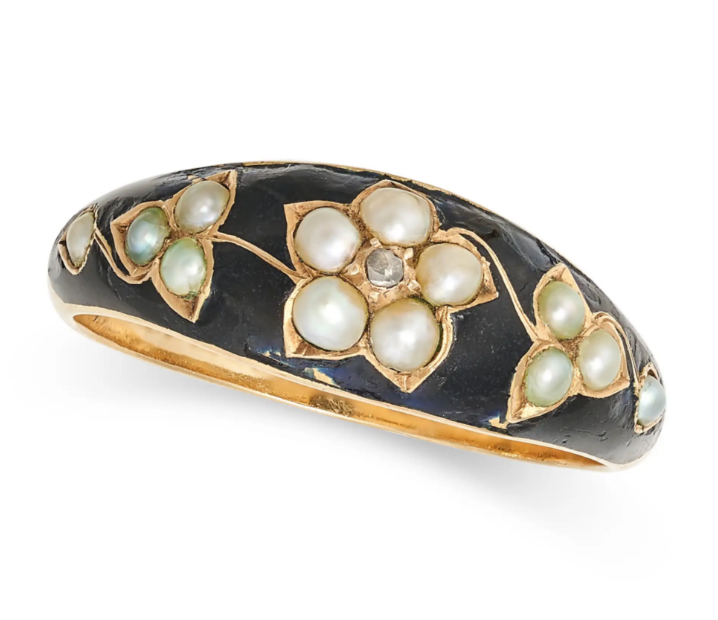
Victorian jewellery often featured seed pearls in sentimental and mourning pieces. During the Art Nouveau movement, pearls were paired with flowing natural forms inspired by flowers, insects and water.
The Art Deco period embraced pearls in more geometric and glamorous styles, while the mid-20th century made classic pearl necklaces a wardrobe staple.
Today pearls have evolved far beyond traditional strands. Contemporary jewellers increasingly use irregular baroque pearls, darker metals and asymmetrical settings to create pieces that feel more organic and individual.
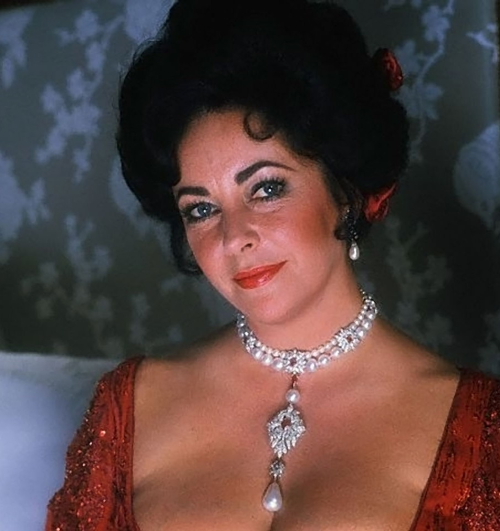
"LA PEREGRINA" pEARL
Perhaps one of the most famous pearls in jewellery is ‘La Peregrina’ (Spanish for “the Wanderer” or “the Pilgrim”). Prized for its perfect symmetrical pear shape (rare in natural pearls), it weights over 55 carats. Its recorded history spans over 500 years across royal families and Hollywood royalty.
It was discovered in the 16th century in the Pearl Islands off the Gulf of Panama. According to legend, an enslaved African who found it was rewarded with his freedom.
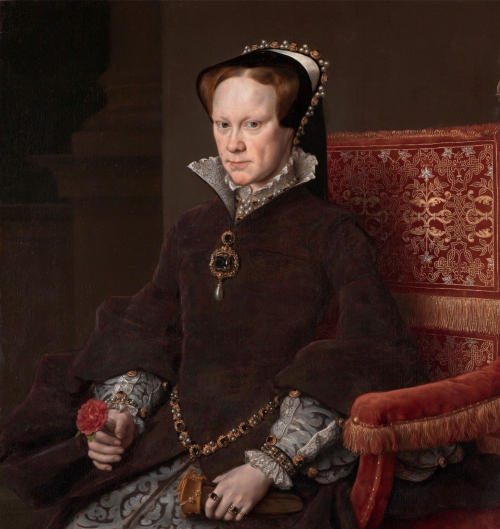
King Philip II of Spain gave it to his wife, Queen Mary I of England. Apparently Elizabeth I was famously envious of this beautiful gem. It was returned to King Philip after Mary’s death (much to Elizabeth I disappointment allegedly) it remained in the Spanish Crown Jewels for over 200 years, frequently featured in portraits by court painters like Velázquez and Rubens.
After a succession of owners (including the Bonapartes and British aristocrats), Richard Burton purchased it in 1969 for $37,000 as a Valentine’s Day gift for Elizabeth Taylor.
She had Cartier redesign the jewel into a magnificent ruby, diamond, and pearl necklace. It was sold for a record-breaking $11.8 million at a 2011 Christie’s auction.
Having written 6 blog posts about gemstones now I can see that Elizabeth Taylor usually crops up in every story about a famous jewel!
Caring for Pearl Jewellery
Pearls are softer than many gemstones and require gentle care to keep them looking their best.
A few simple tips can help protect them:
Put pearl jewellery on last when dressing
Avoid contact with perfume, hairspray and chemicals
Wipe pearls gently after wearing
Store separately from harder gemstones
Avoid prolonged exposure to heat or dryness
Unlike many gemstones, pearls can gradually change with age and wear, developing character over time.
With proper care, pearl jewellery can last for generations. You can find out more about looking after your jewellery in general on my page about this topic.
Why Pearls Still Captivate Us
Pearls remain beloved because their beauty feels deeply natural and quietly personal.
They do not flash or glitter aggressively. Instead they glow softly, shaped slowly by time, water and living creatures beneath the sea.
Every pearl carries subtle differences in colour, shape and lustre, making each one unique. Perhaps that is part of their enduring appeal. They feel less manufactured than many gemstones and more connected to nature itself.
From ancient royalty to modern handmade jewellery, pearls continue to hold their place as one of the world’s most timeless adornments.
Soft as moonlight and shaped by time and patience, pearls remind us that beauty does not always need to shout to be noticed.