November might bring shorter days and chilly mornings, but its birthstones bring a welcome splash of colour. Meet topaz and citrine: two gemstones with plenty of warmth, fascinating histories and a few surprises up their sleeves.
Both are associated with November birthdays, and while they share a love of golden hues, they have very different stories to tell. So, grab a cuppa, get comfortable and let’s take a closer look at these two autumnal favourites.
Topaz: More Than Just Blue
HISTORIC TOPAZ MINING
A little gemstone surprise
GEMMOLOGICAL PROPERTIES OF TOPAZ
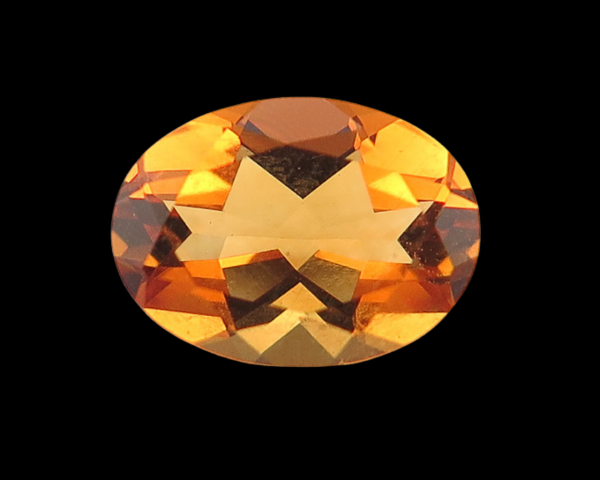
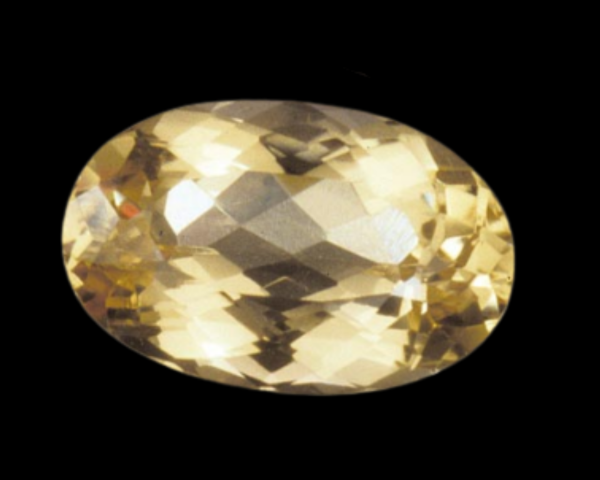
- Colour Colorless (white), yellow, orange, brown, light green, pink, red, and purple-red.
- Family Topaz
- Mohs Scale Hardness 8
- Specific Gravity 3.40 – 3.69 g/cm³ (typically around 3.53)
- Refractive Index 1.37 to 1.47.
- Lustre Vitreous (glassy)
- Crystal System Orthorhombic
- Transparency Transparent to translucent
- Chemical Formula Al₂(F,OH)₂SiO₄ or Al₂SiO₄(F,OH)₂
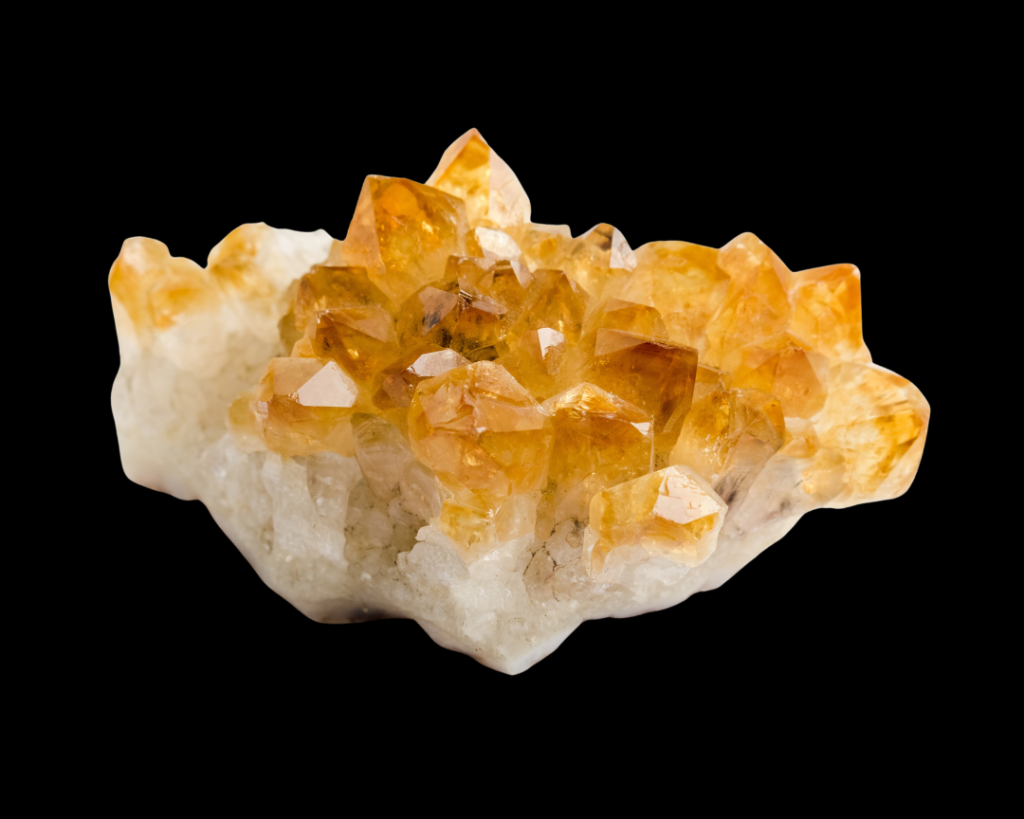
Citrine: A Little Bit of Sunshine
From Victorian jewellery boxes to modern collections
But did you know that much of the citrine available commercially is produced by heat-treating amethyst, another variety of quartz?! The process changes the purple material into yellow or orange tones.
Natural citrine does exist, but it is less commonly encountered in the marketplace than heat-treated material. If you’re buying a gemstone, it’s always worth asking about its origin and any treatments it may have received.
Citrine measures 7 on the Mohs scale of hardness. It’s suitable for many types of jewellery, including rings, pendants and earrings, provided it’s treated with reasonable care.
GEMMOLOGICAL PROPERTIES OF CITRINE
- Colour Pale yellow, honey, amber, golden-yellow, to deep brownish- or reddish-orange.
- Family: Quartz
- Mohs Scale Hardness 7
- Specific Gravity 2.66 (approx. 2.65 g/cm³)
- Refractive Index 1.37 to 1.47.
- Lustre Vitreous (glassy)
- Crystal System Trigonal (hexagonal prism with pyramidal terminations)
- Transparency Transparent to translucent
- Chemical Formula SiO₂
Topaz vs Citrine: Can You Tell the Difference?
It’s easy to see why these two gemstones have sometimes been confused. Both can display beautiful golden and orange shades, and historically the names have occasionally been used interchangeably in jewellery.
However, they are completely different minerals.
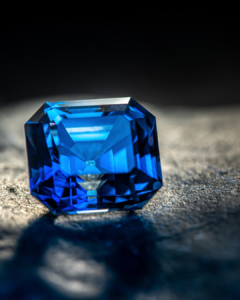
Topaz is a distinct mineral in its own right, while citrine is a variety of quartz. Topaz can also appear in a much broader range of colours, including blue and pink, whereas citrine is best known for its yellow-to-orange palette.
There are differences in their physical properties, too. Topaz is harder, scoring 8 on the Mohs scale, while citrine scores 7. But that doesn’t automatically mean topaz is the tougher gemstone: its tendency to split along particular internal planes means it needs careful handling.
Here’s a quick comparison:
Topaz: A mineral available in a wide range of colours, including blue, pink and orange.
Citrine: A yellow-to-orange variety of quartz, often found in warm honey and amber shades.
Hardness: Topaz scores 8 on the Mohs scale; citrine scores 7.
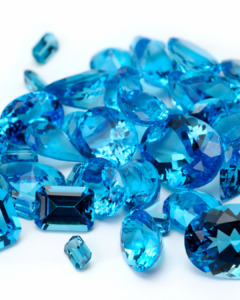
Treatments: Much blue topaz is treated to achieve its colour, while much commercial citrine is heat-treated amethyst.
So, next time you see a golden gemstone, don’t be too quick to guess its identity. A closer look might be needed!
November Birthstone Meanings and Traditions
Like many gemstones, topaz and citrine have collected a wealth of stories and symbolic associations over the centuries.
Topaz has traditionally been linked with strength, protection and calm, while citrine has often been associated with happiness, warmth and prosperity. Their golden colours have also made them natural symbols of sunlight and abundance.
Of course, you don’t have to believe in gemstone symbolism to appreciate these stones. Sometimes a colour simply makes you smile, or a particular gemstone reminds you of a favourite season, person or place. That’s reason enough to love it.
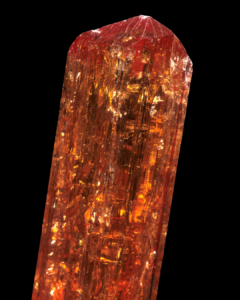
For November birthdays, having two birthstones also means there’s more room to choose something personal. You might prefer the rich orange of Imperial topaz, the cool sparkle of blue topaz or the honeyed glow of citrine.
There’s no wrong answer when it comes to choosing the colour you love most.
Caring for Your November Birthstones
If your jewellery contains other materials, such as copper, silver or additional gemstones, remember that each material may need its own care routine.
A little attention now can help your favourite pieces stay part of your collection for years to come.
You can find out more hints and tips on how to care for your jewellery at my jewellery care web page where you can download my free PDF on caring for your jewellery.
A Golden Finish to November
Whether you’re drawn to topaz’s remarkable range of colours or citrine’s warm, sunny glow, November’s birthstones offer plenty to explore.
From the royal tales surrounding Imperial topaz to the surprising journey of amethyst becoming citrine, these gemstones are a reminder that there’s often more to a stone than meets the eye.
And perhaps that’s one of the best things about gemstones: every colour, cut and tiny detail has a story behind it.
If you’re looking for something with a little natural character, take a look at the gemstone jewellery collection at Rock & Rose Jewellery. You might just find a new favourite.
SOURCES